Article Summary
- The BMW M1 was reportedly considered for V8 and V10 power before BMW finalized the M88 inline-six.
- BMW had a short timeline to choose the engine while developing the M1 as a homologation-focused race car for the road.
- The M88 later helped shape BMW M history by powering not only the M1, but also the original E28 M5.
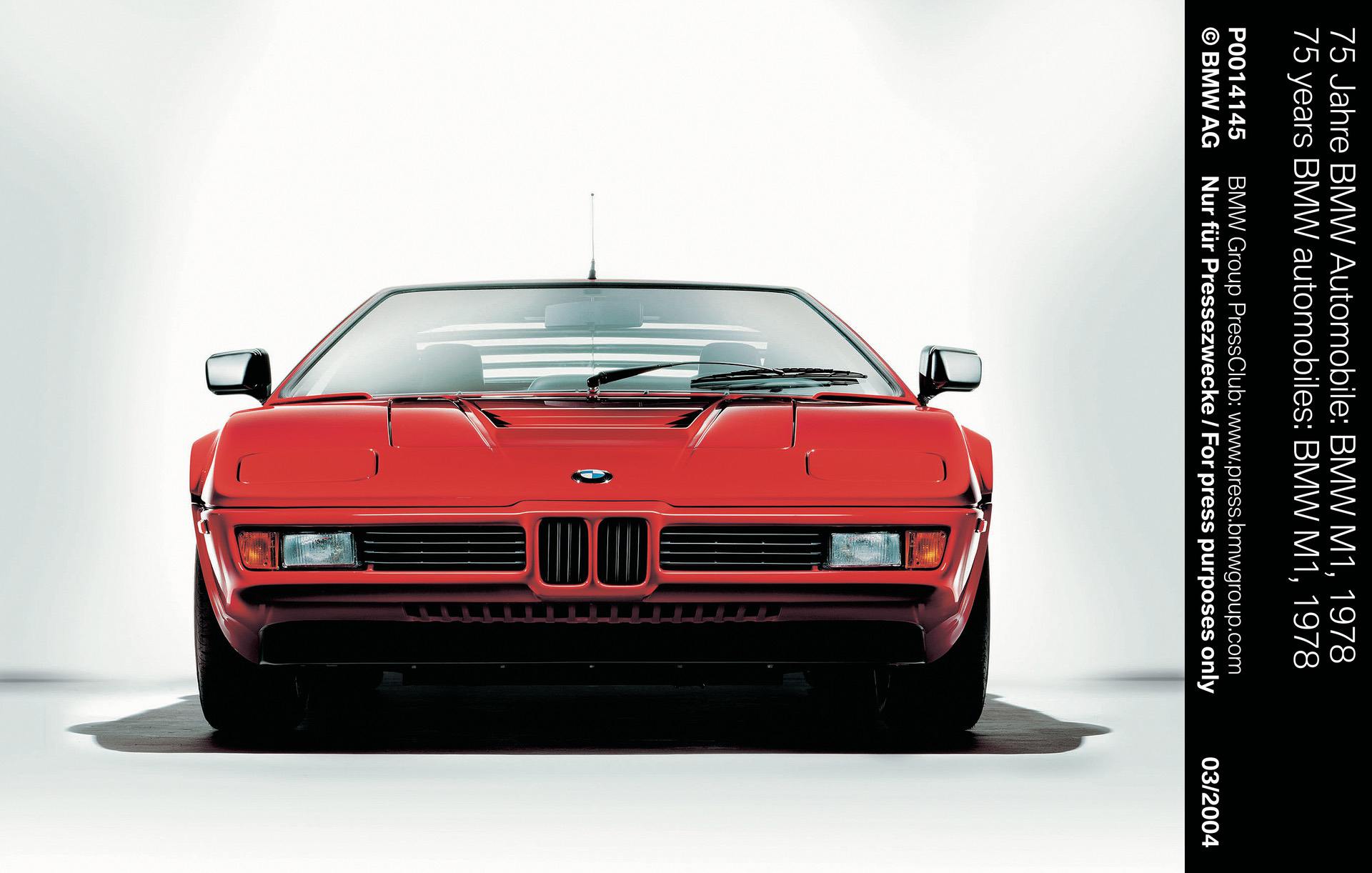
The BMW M1 is remembered today for many things: its Giugiaro-penned wedge shape, its place as BMW M’s first true standalone supercar, and of course the glorious M88 straight-six mounted behind the cabin. But as it turns out, the engine that ultimately defined the M1 was not always a foregone conclusion.
In a fascinating discussion about the car’s development, Tom Pluckinsky, Head of BMW Classic USA, and Steve Saxty, author of BMW by Design books, reflected on just how different the M1 could have been. According to Saxty, before the final production version took shape, BMW was still weighing multiple engine configurations for its mid-engine homologation special. Saxy says the M1 could have ended up with a V8 or even a V10 before BMW ultimately committed to the inline-six that would become one of the brand’s most important powerplants.
Why Was The M1 Such An Important Car?
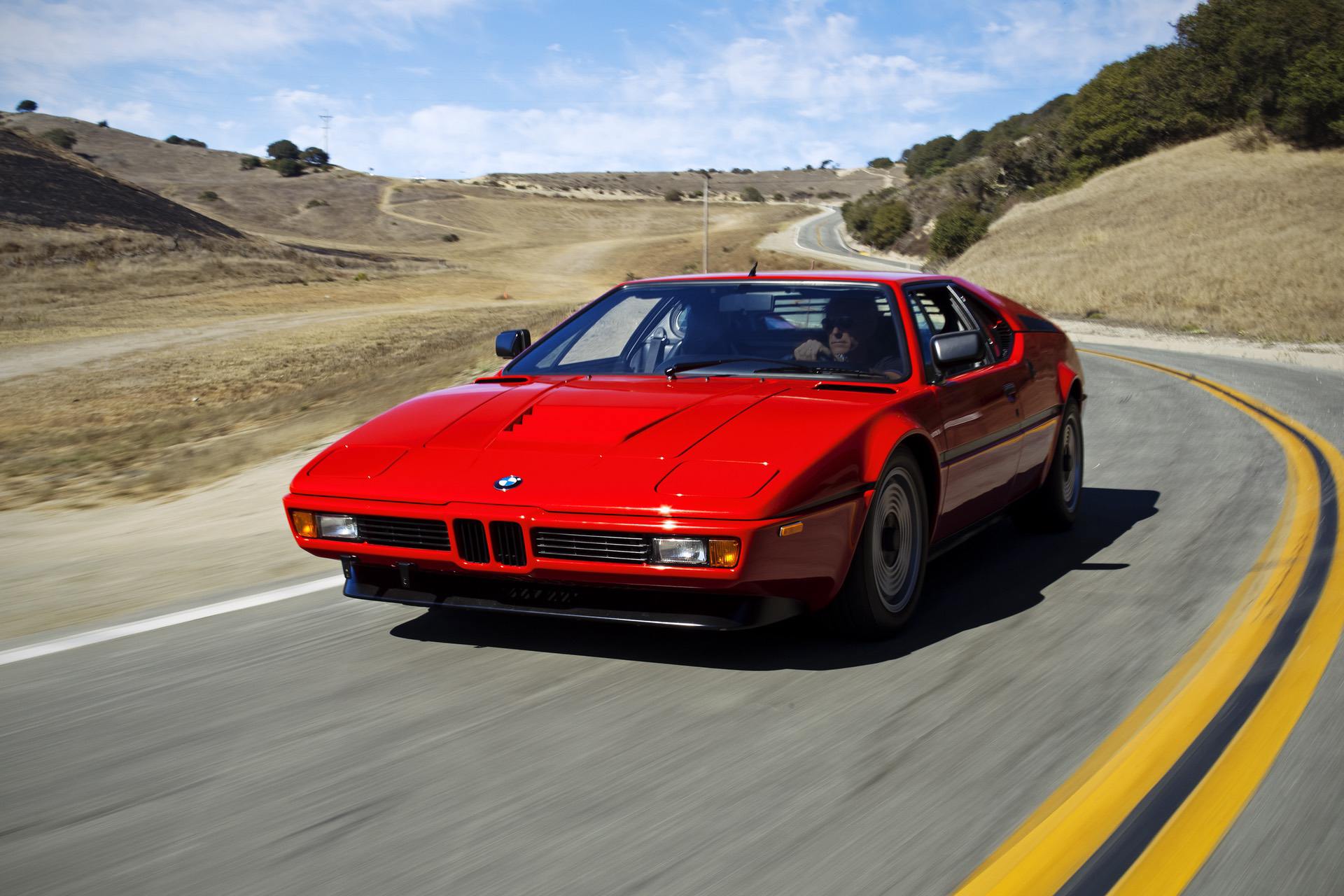
That detail alone says a lot about what the M1 represented in the late 1970s. This was not just a stylish supercar built to turn heads. At its core, the M1 was conceived as a racing machine first, with the road car created largely to satisfy homologation rules. BMW had already learned the hard way with the 3.0 CSL that transforming a production car into a competitive racer was expensive and inefficient. With the M1, the strategy flipped: start with the race car, then create the street version necessary to go racing.
That goal shaped every major engineering decision, including the powertrain. The video reveals that BMW’s development partner on the chassis – clearly a reference to Lamborghini, which was initially involved in the M1 project – gave BMW a hard deadline. The company reportedly had just eight weeks to decide what engine would go into the car if it wanted to stay on schedule for production. In that short window, BMW had to settle on the drivetrain architecture that would define the car.
At one point, the car’s design was apparently being developed around a different engine package. Plucinsky and Saxty note that the original design may have been intended to be longer and taller before BMW finalized the use of the six-cylinder. That created packaging challenges because the inline-six sat relatively high in the rear of the car. Some of the M1’s distinctive visual tricks, including the side vents and the way the body draws the eye along its flanks, helped disguise that height and preserve the sleek proportions people still admire today.
Why The M88 Engine?

In the end, BMW chose the M88, and that decision proved to be pivotal not only for the M1 but for BMW M as a whole. The 3.5-liter naturally aspirated inline-six was exotic by BMW standards of the time, featuring dual overhead camshafts, four valves per cylinder, mechanical sophistication, and dry-sump lubrication. In the M1, it helped give the car genuine supercar credentials. Just as importantly, the engine’s legacy did not end there.
As highlighted in the conversation, the M88 later found its way into the original BMW M5, the E28-generation sedan that stunned the performance world by stuffing supercar-grade power into a four-door body. That lineage is a huge part of why the M1 matters so much in BMW history. It did not just launch the M brand with a halo car. It established the technical and philosophical foundation for the fast BMWs that followed.
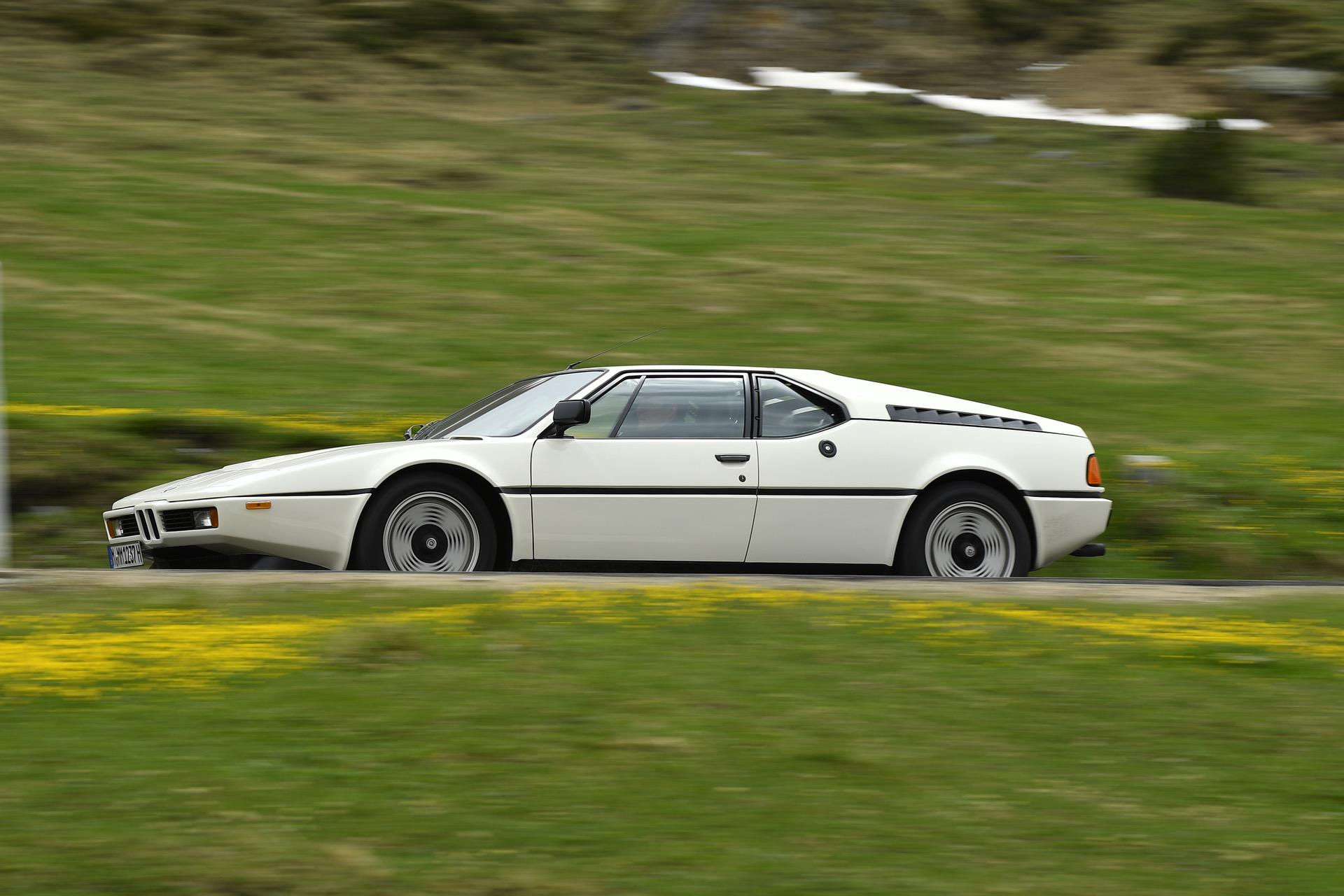
Looking back, it is fascinating to imagine alternate versions of the M1. A V8-powered M1 would have taken BMW in one direction. A V10-powered version would have been even more radical, especially for the era. But the choice of the M88 straight-six feels right in hindsight. It gave the M1 a uniquely BMW character, blending racing intent, mechanical purity, and engineering sophistication in a way few cars of its time could match.
A story on Lamborghini and BMW: